




What Is Adab ?
There is something quietly powerful about a child who remembers to say “please” and “thank you,” who carries themselves with humility, who steps aside for elders, who listens without interrupting, and who understands when silence is more noble than speech.
That is Adab — the inner refinement that shapes outward manners.
In Islam, Adab is not just etiquette; it is a reflection of the heart.
Why Does It Matter?
Strength in Silence, Beauty in Humility
In a world that often confuses loudness with confidence and boldness with strength, the quiet dignity of Adab is becoming rare. But Islam reminds us that true strength is found in restraint, true beauty in humility, and true honor in character.
Adab: The Language of the Believer
Adab is a believer’s unspoken language. It shows in how we carry ourselves, how we treat others, and how we respond when tested.
Allah says:
“And the servants of the Most Merciful are those who walk upon the earth gently, and when the ignorant address them harshly, they respond with peace.” — Qur’an 25:6
Teaching More Than Rituals
Parents and teachers often focus on teaching children what to do:
how to pray, how to recite Qur’an, how to observe rituals. These are essential, but incomplete.
Children must also learn how to be:
– how to be kind
– how to be gentle
– how to be truthful
– how to be trusted
– how to be someone others feel safe around
This is the role of Adab.
The Foundation of Akhlaq
Adab is the soil in which Akhlaq (character) grows. Without it, knowledge can breed arrogance and worship can become empty. With it, everything becomes beautifully balanced.
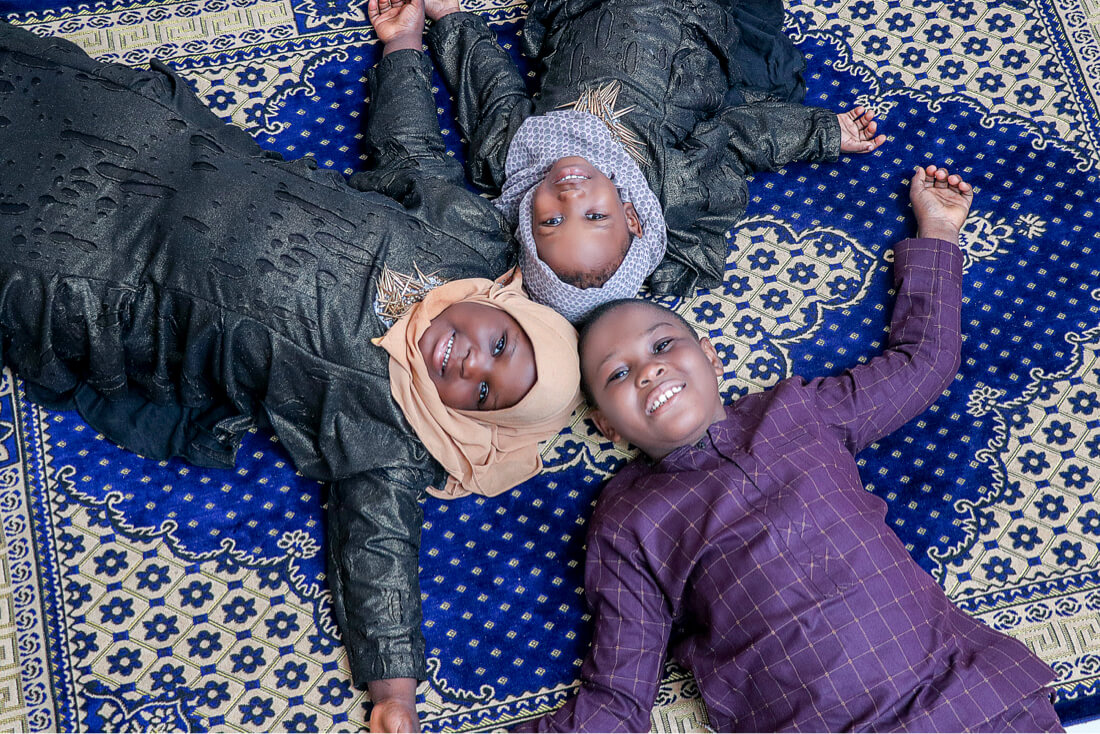
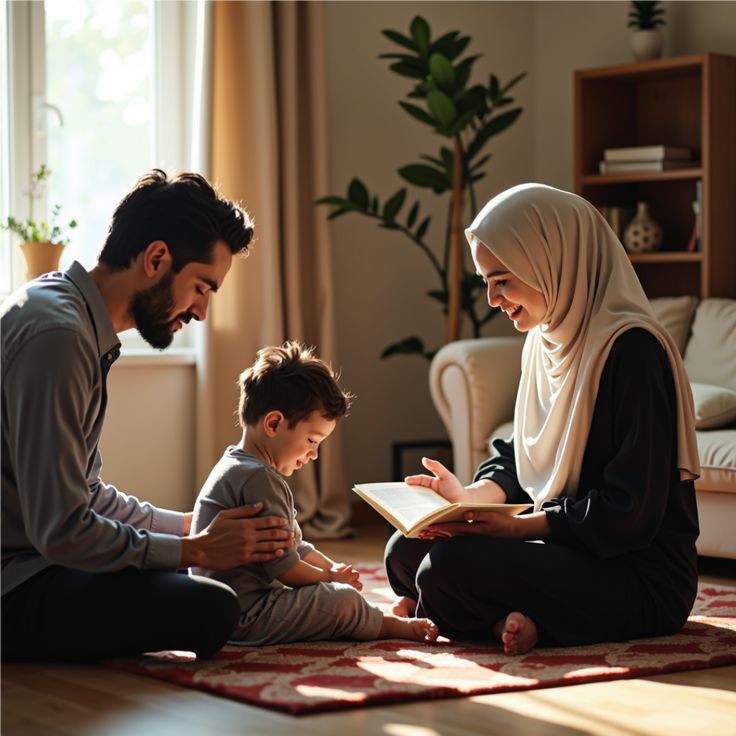
A child raised with Adab grows into someone humble, respectful, and wise — a true servant of Allah.
Adab in Everyday Life
A person’s character often shows in their face, their walk, their voice, and their reactions. Adab becomes visible in:
- the calm they maintain when provoked
- the gentleness they choose over harshness
- the silence they prefer over sarcasm
- the dignity they hold even when wronged
As an African adage says, “Character is like smoke — it will always rise.”
Who we are inside eventually shows.
Practical Ways to Teach Adab
- Encourage them to say Assalamu Alaikum with warmth.
- Teach them to lower their voices out of respect, not fear.
- Show them how to share, listen, apologize, and forgive.
- Guide them to stand with dignity when tested.
This is the legacy that lasts — not just children who know their religion, but children who live it with grace.
Let Their Light Speak First
One day, our children will walk into spaces as Muslims before anyone knows their name. And in that moment, people will see their Adab first — their gentleness, integrity, and presence. Their character will speak long before their words.
Let us raise children whose manners remind others of Allah even in silence.
0 Comments